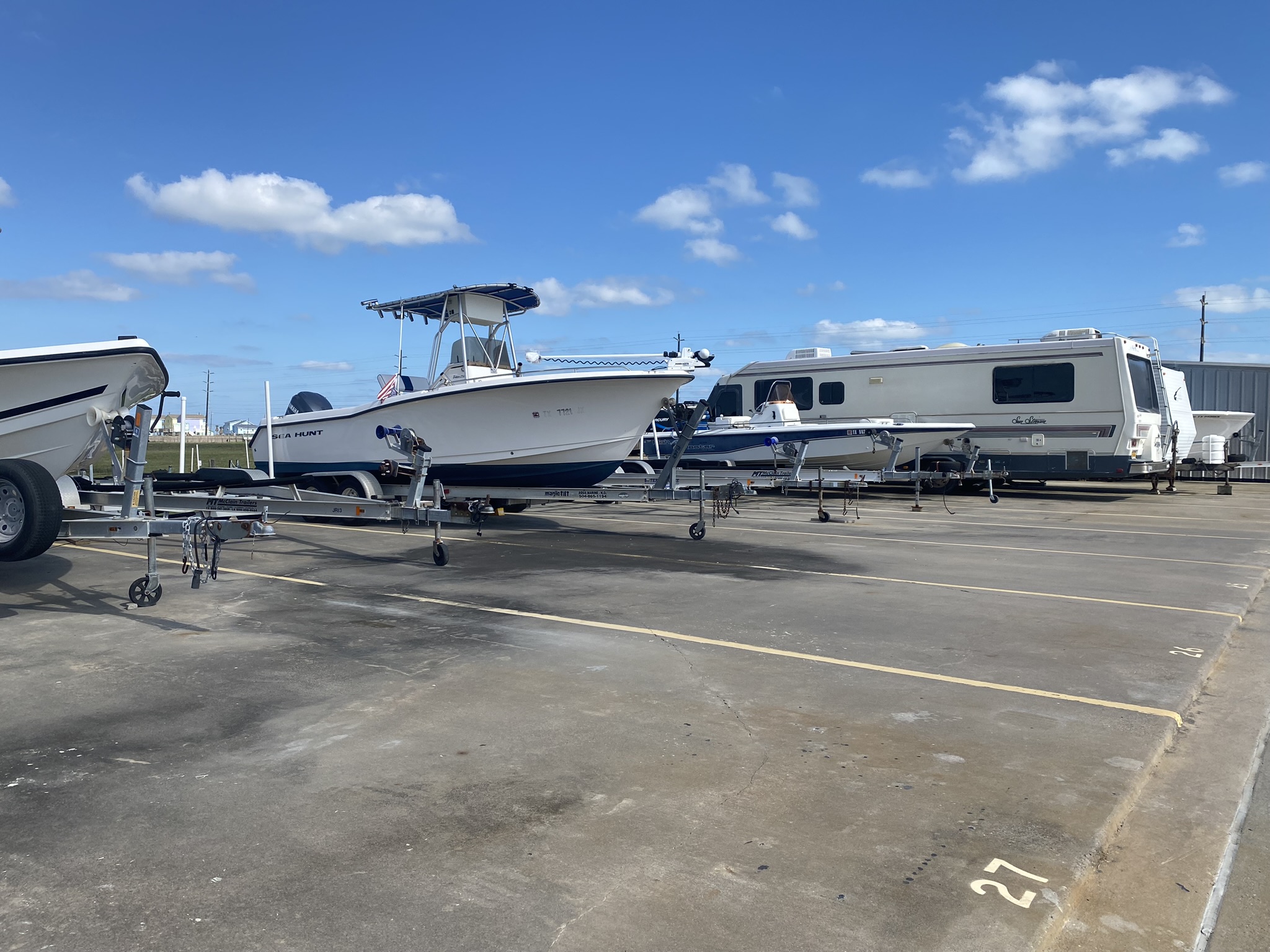
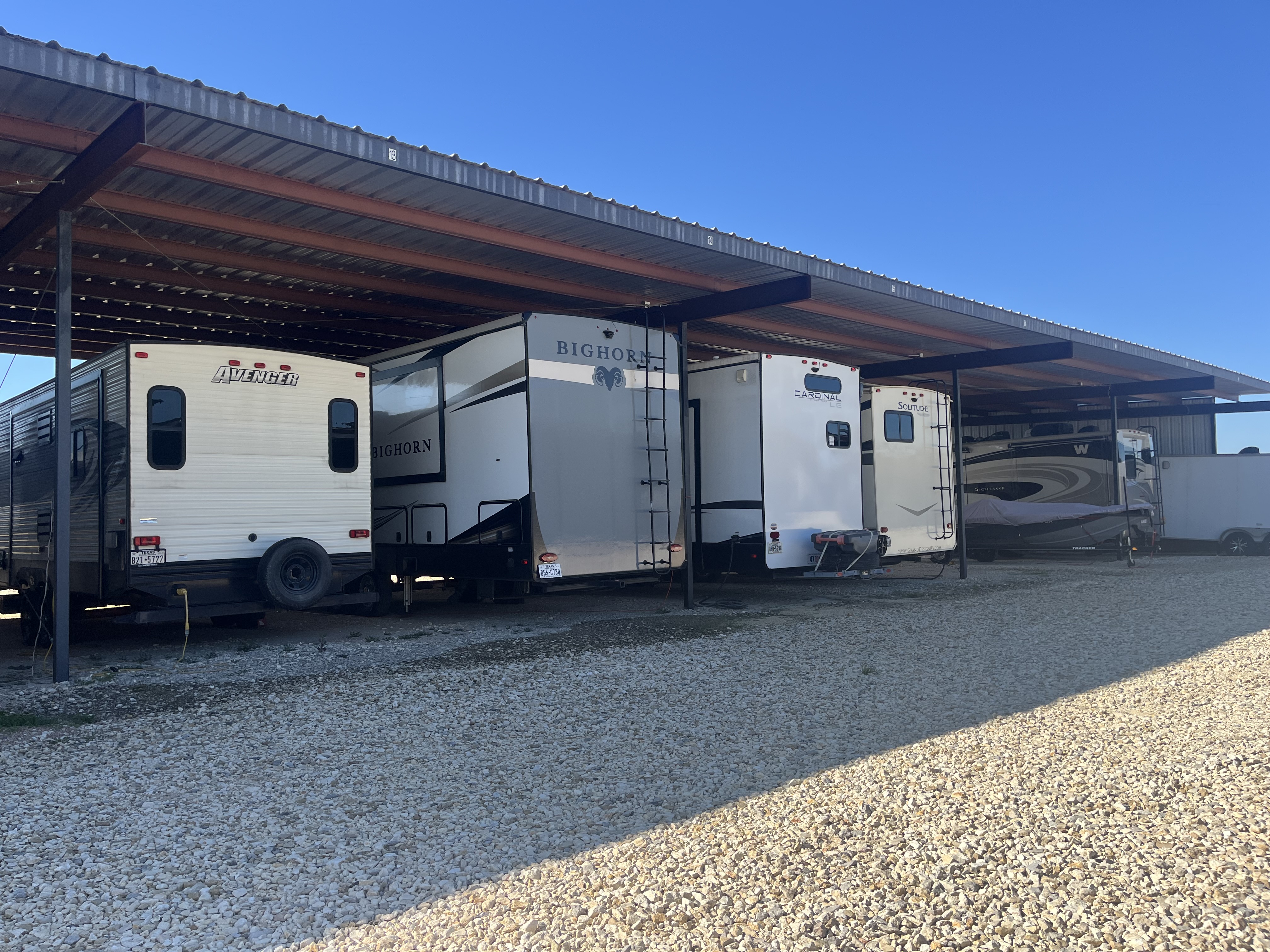
West End RV & Boat Owners: Winter Parking Prep and Maintenance Guide


Winter on Galveston’s West End may be mild compared to northern climates, but coastal conditions still demand careful preparation—especially when it comes to parking and maintaining your RV or boat. Salt air, humidity, and winter storms can cause long-term damage if equipment isn’t properly protected. This guide walks West End RV and boat owners through smart winter parking prep to help protect investments and ensure everything is ready when adventure season returns. Step 1: Clean Thoroughly Before Parking Before storing your RV or boat, a deep clean is essential. Rinse exteriors with fresh water to remove salt residue Clean and dry canvas covers, upholstery, and flooring Wax fiberglass and painted surfaces to add a protective barrier Salt left on surfaces accelerates corrosion—even during cooler months. Step 2: Perform Basic Maintenance Checks Winter is the ideal time to handle preventative maintenance. RV Owners: Check tire pressure and cover tires to prevent UV cracking Inspect roof seals and caulking for leaks Disconnect batteries or use a trickle charger Boat Owners: Inspect hull and propellers for damage Stabilize fuel and check engine fluids Remove electronics and valuables for climate-controlled storage Step 3: Choose the Right Parking Option Selecting proper winter parking is just as important as maintenance. Covered parking provides extra protection from sun exposure, rain, and debris Paved outdoor storage prevents ground moisture damage Gated facilities with surveillance add security during long-term storage For coastal storage, elevation and drainage are critical factors. Step 4: Protect Against Humidity & Temperature Changes Galveston’s humidity can affect interiors even in winter. Use moisture absorbers inside cabins and RV interiors Crack vents slightly for air circulation Store removable cushions and linens in climate-controlled units Local Storage Solution for West End Owners Located at 17616 Termini–San Luis Pass Rd, Bayside Storage offers RV and boat owners storage designed for coastal conditions. Features include: Covered and uncovered RV & boat parking Climate-controlled units for gear and supplies Gated access with 24/7 video monitoring Wide paved lanes for easy maneuvering Convenient access hours year-round Store Smart This Winter A little preparation now saves time, money, and frustration later. By following these winter parking and maintenance steps, West End RV and boat owners can protect their ...


Habib Ahsan
December 17th, 2025


Galveston Residents: How Storage Simplifies Moving or Renovating During the Winter Months


Winter in Galveston, Texas brings milder temperatures, fewer crowds, and the perfect opportunity to move or tackle home renovations. But even with ideal weather, projects can quickly become overwhelming without the right plan in place. That’s where local self-storage solutions play a key role in keeping everything organized, protected, and stress-free. Why Winter Is a Smart Time to Move or Renovate in Galveston Cooler temperatures make physical work easier Less demand from contractors and movers Shorter project timelines with fewer interruptions Still, furniture, appliances, and personal belongings need to be managed carefully—especially in Galveston’s coastal climate. How Storage Makes Winter Moves Easier Keep Belongings Safe During Transitions Whether you’re moving between homes or temporarily relocating during renovations, a storage unit provides a secure place for furniture, boxes, and valuables while timelines shift. Avoid Clutter & Chaos Packing items directly into storage keeps walkways clear and prevents damage during construction or remodeling. Flexible Access When You Need It With convenient access hours, you can retrieve or store items on your schedule—without slowing your project. How Storage Supports Home Renovations Protect Furniture & Flooring Dust, debris, and paint splatter are unavoidable during renovations. Storing couches, tables, and décor off-site keeps them clean and damage-free. Organize Materials & Tools Contractors and homeowners can use storage as a staging area for cabinets, fixtures, flooring, and tools—keeping everything organized and ready when needed. Climate-Control Matters on the Coast Humidity and temperature changes can damage wood, fabric, and electronics. Climate-controlled storage units help preserve your belongings throughout the renovation. A Local Storage Solution for Galveston Residents Located at 17616 Termini–San Luis Pass Rd, Bayside Storage is a trusted choice for residents moving or renovating during the winter season. Storage features include: Climate-controlled & drive-up units Gated access with 24/7 video monitoring Extended access hours (6 AM–10 PM daily) Easy online reservations & payments Wide aisles for trucks and trailers Simplify Your Winter Projects with Storage Moving or renovating doesn’t have to disrupt your life. With secure, local storage, Galveston residents can stay organized, protect their belongings, and complete projects more efficiently—even during winter months. ...


Habib Ahsan
December 14th, 2025


Sea Isle Residents: Seasonal Rotation Tips for Kayaks, Paddleboards & Gear


Living in Sea Isle on Galveston’s West End means easy access to canals, the bay, and beach adventures. With so many opportunities for outdoor fun, kayaks, paddleboards, and coastal gear can quickly accumulate—and so can the need for smarter storage. Seasonal rotation is one of the best ways to keep equipment protected, accessible, and long-lasting. Below are expert tips on how Sea Isle residents can rotate seasonal gear efficiently and safely. 1. Clean, Rinse & Dry Gear Between Seasons Saltwater, sand, and debris shorten the lifespan of boats and boards. Before rotating gear into storage: Rinse with fresh water Remove all sand and grit Allow everything to fully dry Inspect for cracks, dents, or soft spots This prevents mold, corrosion, and structural damage during the off-season. 2. Use Vertical or Suspension Storage for Boards & Kayaks Proper support is key to preventing warping. Store kayaks and paddleboards: On padded wall racks Suspended from ceiling straps On specially designed stands Keeping gear off the floor also protects it from condensation and unexpected moisture. 3. Rotate Seasonal Gear to Maintain Space When summer ends, rotate items like: Kayaks Paddleboards Beach carts Snorkel gear Life vests Into off-site storage, and bring out fall and winter gear such as fishing equipment, jackets, or boat maintenance tools. This seasonal swap helps keep garages and patios clutter-free. 4. Store Accessories in Labeled, Weatherproof Bins Organize accessories like dry bags, paddles, fins, leashes, tie-down straps, and safety gear in clearly labeled bins to simplify next season’s launch. Weatherproof bins protect sensitive materials from coastal humidity. 5. Choose Climate-Controlled Storage for Sensitive Items Certain gear lasts much longer in stable conditions: Inflatable paddleboards Neoprene wetsuits Electronics and GPS units Fishing rods and reels Climate-controlled storage prevents mold, mildew, and temperature-induced damage that’s common in coastal environments like Sea Isle. Bayside Storage: Seasonal Storage Made Easy for Sea Isle Residents Located at 17616 Termini-San Luis Pass Rd, Bayside Storage offers the perfect solution for rotating seasonal gear: Secure storage for kayaks, paddleboards & fishing equipment Climate-controlled units for sensitive gear Gated, camera-monitored facility Wide aisles for easy loading Access from 6 AM–10 PM Simple online rental & account management Whether storing summer paddling gear or winter fishing equipment, ...


Habib Ahsan
December 9th, 2025


Galveston Island Businesses: How Off-Site Storage Simplifies Year-End Organization


For many Galveston Island businesses, year-end is one of the busiest—and most important—times of the year. From closing out inventory and rotating seasonal merchandise to preparing for tax season and reorganizing workspaces, the final months of the year require efficiency and strategy. One of the most effective tools local businesses rely on is off-site storage. By moving nonessential items, surplus inventory, and seasonal assets off-location, businesses can streamline operations and enter the new year organized and ready to grow. Here’s how off-site storage supports year-end organization on Galveston Island. 1. Make Room for Inventory Counts & Audits A clean, organized workspace makes year-end inventory easier and more accurate. Off-site storage allows businesses to: Relocate slow-moving or seasonal goods Remove bulky displays and equipment Reduce clutter before audits and stock-taking Clear spaces help teams work faster and minimize errors—critical for financial reporting. 2. Store Seasonal Décor & Promotional Displays Holiday signage, fall displays, summer merchandising props, and seasonal décor don’t need to stay in backrooms all year. Businesses can: Label and store seasonal décor in a climate-controlled unit Rotate displays efficiently each quarter Keep retail spaces clean, modern, and adaptable This is especially valuable for boutiques, restaurants, vacation rental managers, and coastal shops. 3. Protect Documents & Sensitive Assets As year-end approaches, businesses often need to sort tax records, financial documents, and archived files. Storing them properly prevents: Moisture damage Lost paperwork Security risks in overcrowded offices Climate-controlled units provide consistent temperature and humidity—ideal for long-term document preservation. 4. Improve Workflow & Team Productivity A clutter-free environment helps teams work efficiently: Contractors can stage materials in one place Service providers can store tools and spare parts Retailers can free up space for new product lines Off-site storage becomes an extension of the business, supporting smoother operations throughout the year. 5. Prepare for the New Year with a Clean Slate Year-end is the perfect time to evaluate what stays, what moves to storage, and what should be retired. Businesses that reorganize now enter the new year with: More usable workspace Clearer inventory insights A more professional, customer-ready environment Off-site storage provides a practical foundation for long-term growth. Bayside Storage: Supporting Galveston Island Businesses Located ...


Habib Ahsan
December 6th, 2025


Sea Isle Boat Owners: Winterizing and Storage Tips for a Smooth Spring Launch


Owning a boat in Sea Isle on Galveston Island means year-round coastal fun—but winter still brings cooler temperatures, salt-heavy humidity, and long periods of disuse. Proper winterizing prevents costly repairs, protects your boat’s systems, and ensures your vessel is ready for smooth launching when spring arrives. Here are expert tips to protect your boat this winter. 1. Flush & Stabilize the Engine Saltwater and winter downtime are a bad combination for engines. To prevent corrosion and fuel breakdown: Flush the engine thoroughly with fresh water Add a marine fuel stabilizer Run the engine briefly to circulate treated fuel Change engine oil and replace filters This keeps your engine lubricated and prevents internal rusting during storage. 2. Clean & Dry the Entire Vessel Moisture and salt residue can damage every part of your boat. Before storing: Wash the hull, deck, and interior surfaces Remove salt buildup from metal hardware Vacuum carpets and wipe upholstery Allow everything to fully air-dry A clean boat is far less likely to develop mold or corrosion over winter. 3. Protect Electronics & Batteries Electronics are especially vulnerable to winter moisture. Best practices include: Disconnect and remove batteries Store batteries in a climate-controlled location Remove GPS units, radios, and depth finders Store them in padded, secure containers This extends the lifespan of costly equipment. 4. Cover & Ventilate Properly A good cover protects your boat from winter sun, salt air, and moisture—but it must be breathable. Use: A marine-grade vented cover Moisture-absorbing products inside cabins Support poles to prevent water pooling Proper airflow prevents mildew and interior damage. 5. Store Your Boat on Elevated, Secure Surfaces Whether you use trailer storage, covered storage, or a drive-up unit, ensure your boat is: Stored on an elevated, paved surface Secured with wheel chocks Positioned away from standing water Protected from wind-blown debris For Sea Isle residents, off-site storage offers extra protection from storms and coastal moisture. Bayside Storage: Winter Storage Made Easy for Sea Isle Residents Located just minutes from Sea Isle at 17616 Termini-San Luis Pass Rd, Bayside Storage provides boat owners with reliable winter storage options: Paved, secure boat & trailer parking Climate-controlled units for electronics & gear Gated entry with 24/7 surveillance Access from 6 AM–10 ...


Habib Ahsan
December 3rd, 2025


Galveston Residents: How to Keep Stored Items Dry and Mold-Free in Coastal Conditions


Living near the ocean brings salty breezes, warm weather, and beautiful views—but it also means dealing with high humidity, moisture, and mold risks year-round. For Galveston residents who rely on storage units, keeping items dry and mold-free requires a proactive strategy. Whether you’re storing furniture, clothing, important documents, or beach gear, these expert tips will help you protect your belongings from coastal conditions. 1. Choose Climate-Controlled Storage for Sensitive Items Humidity is the biggest threat to stored goods near the coast. Climate-controlled storage helps maintain stable temperature and moisture levels, preventing: Mold and mildew Warping or rotting wood Corrosion on metal items Damage to electronics and photos Items that should always go into a climate-controlled unit in Galveston include: furniture, mattresses, clothing, artwork, collectibles, documents, leather goods, and electronics. 2. Use Breathable Covers—Never Plastic Wrap Many people think plastic wrap keeps items dry, but in coastal areas it can trap moisture and speed up mold growth. Instead: Use cotton sheets or breathable furniture covers Avoid sealing items completely Allow for airflow between boxes and furniture Breathable coverings help moisture escape naturally. 3. Elevate Belongings Off the Floor Even in secure facilities, coastal regions are more prone to heavy rain, standing water, and condensation. Elevating items helps protect against: Liquid spills Damp concrete floors Unexpected moisture intrusions Use pallets, shelving, or risers to keep boxes and furniture safely above ground level. 4. Add Moisture Absorbers Inside Boxes & Bins Products like silica gel packs, DampRid, or charcoal moisture absorbers help eliminate excess humidity. Place them: Inside plastic bins In corners of the storage unit Inside dresser drawers or cabinets Near stored fabrics or leather Replace every few months for best results. 5. Store Items in High-Quality Plastic Bins Cardboard absorbs moisture quickly. For coastal storage: Use weather-resistant plastic bins with tight lids Label bins clearly to avoid unnecessary opening Place desiccant packets inside each bin Clear bins also help you see what’s inside without rummaging. 6. Clean Items Thoroughly Before Storage Salt residue + trapped moisture = mold. Always: Wipe down furniture Clean and dry clothing Remove sand from beach gear Vacuum fabric items Avoid storing anything damp Fully dry items resist mold far better. Bayside Storage: Coastal-Ready Storage Solutions Located at 17616 Termini-San ...


Habib Ahsan
November 30th, 2025


West End Galveston: How to Safely Store Fishing & Boating Equipment During Winter


For West End Galveston residents, fishing and boating aren’t just hobbies—they’re a way of life. But once winter arrives, the cooler weather, heavy moisture, and salt air can take a real toll on your equipment. Proper storage protects your investment and ensures your gear is ready when warm weather returns. Here’s how to store fishing and boating equipment safely during the winter months. 1. Rinse & Dry All Gear Before Storing Salt residue is the biggest threat to rods, reels, anchors, and boat hardware. Before storing: Rinse equipment thoroughly with fresh water. Dry completely to prevent rust and corrosion. Use reel oil and silicone spray on moving parts or metal surfaces. Skipping this step can cause long-term damage—especially in coastal environments. 2. Store Rods & Reels in Climate-Controlled Conditions Galveston’s winter humidity can warp rods and ruin reel bearings. Using climate-controlled storage helps stabilize temperature and moisture levels, preventing: Mold Rust Line weakening Damage to cork handles or foam grips Rods should be stored vertically or in protective cases to avoid bending. 3. Protect Life Jackets, Soft Goods & Tackle Items like life vests, cast nets, gaffs, tackle bags, and waders require extra care. To protect them: Store in labeled bins for quick access later. Keep fabrics in breathable bags—not sealed plastic—to avoid mildew. Remove old bait or scented items to prevent odors and pests. Winter is the best time to reorganize your tackle inventory. 4. Prep & Store Kayaks, Canoes, and Small Watercraft Kayaks and small craft must be stored properly to avoid cracks, sun damage, and hull distortion. Best practices include: Storing boats off the ground on padded racks or stands Keeping them covered but ventilated Using indoor or covered storage during the wet season Avoiding long-term exposure to winter sun or pooling rain For residents on the West End canals, indoor storage is essential during cold snaps. 5. Secure Electronics & Sensitive Equipment Electronics are especially vulnerable to condensation. Remove and store separately: GPS units Fish finders Radios Batteries Trolling motors Keep these items in climate-controlled storage to extend their lifespan. Bayside Storage: The Winter Storage Solution for West End Galveston Located at 17616 Termini-San Luis Pass Rd, Bayside Storage offers West End ...


Habib Ahsan
November 27th, 2025


Sea Isle Off-Season Storage Tips: Protect Your Beach Gear & Bikes from Weather Damage


Sea Isle residents know how harsh off-season weather can be on outdoor gear. From salty air and high humidity to rain and wind, your beach equipment and bicycles face risks of rust, mold, and sun damage. Proper storage is key to keeping your investments safe and ready for the next season. 1. Clean Everything Before Storing Dirt, sand, and salt are major culprits for damage. Rinse off your beach chairs, umbrellas, surfboards, and bikes with fresh water, and allow them to dry completely before storing. For bikes, clean the chain, gears, and brakes, and apply a light layer of lubricant to prevent rust. 2. Choose the Right Storage Environment Indoor Storage: Garages, sheds, or storage units are ideal for bikes and beach gear. Climate-controlled units are especially beneficial for items prone to mold or corrosion. Elevated Storage: Keep items off the ground to avoid moisture damage. Use shelves, hooks, or pallets for better airflow. 3. Protect Gear with Covers Use breathable covers for umbrellas, chairs, and bikes. Avoid plastic tarps that trap condensation, which can lead to mold or rust. Special bike covers or protective sleeves for surfboards and kayaks help extend the life of your equipment. 4. Disassemble When Possible Take apart large beach items like umbrellas or folding chairs. Remove wheels from bikes if storing in a small space to prevent pressure damage and facilitate airflow. 5. Store Accessories Separately Beach bags, towels, wetsuits, and helmets should be stored in airtight bins or plastic containers to keep them dry, clean, and pest-free. 6. Consider Professional Storage Solutions For Sea Isle residents with limited space or valuable equipment, a local storage facility can provide secure, elevated, and climate-protected units. This reduces the risk of storm damage, humidity, and theft, while keeping your gear ready for spring. Final Tip: Check your stored items periodically over the off-season to ensure no moisture, rust, or pest issues have developed. Early detection can prevent costly repairs or replacements. By taking these proactive steps, Sea Isle residents can enjoy a smooth start to the beach season without ...


Habib Ahsan
November 20th, 2025


Galveston Residents: The Ultimate End-of-Season Boat & Jet Ski Storage Checklist


Galveston’s warm coastal waters make boating and jet skiing a year-round passion—but even here, end-of-season storage is essential to protect your watercraft from salt exposure, humidity, corrosion, and unpredictable cold snaps. Proper storage keeps your investment safe, extends the life of your equipment, and ensures a smooth return to the water when spring arrives. Below is a complete, expert-level checklist designed specifically for boat and jet ski owners in Galveston. 1. Give Your Watercraft a Deep Clean Saltwater is harsh on every part of a vessel—metal, vinyl, paint, and internal components. Before storage, give everything an extensive cleaning: Boat & Jet Ski Cleaning Steps Rinse thoroughly with fresh water, focusing on the hull, deck, and engine bay. Remove algae, salt residue, and barnacles. Wash with marine-grade soap and apply a protective wax coating. Clean upholstery, compartments, coolers, and anchor wells to prevent mildew. Allow everything to dry completely to avoid mold growth. 2. Flush and Prep the Engine This is especially important for vessels used in the Gulf Coast’s saltwater: Flush the engine with fresh water using the manufacturer’s procedure. Add fuel stabilizer to the tank and run the engine for a few minutes. Change the oil and replace the oil filter. Fog the engine (if recommended by your manufacturer). Grease fittings and lubricate moving parts (steering, throttle cables, hinges). 3. Drain All Water Systems Standing water becomes a breeding ground for corrosion, mold, and freeze damage. Drain the Following: Cooling system Bilge and bilge pumps Live wells and bait tanks Freshwater systems Ski lockers and storage compartments After draining, leave compartments open for ventilation. 4. Remove Electronics and Safety Gear To protect valuable and weather-sensitive equipment: Remove GPS units, radios, fish finders, and speakers. Take out life jackets, first-aid kits, tow ropes, fire extinguishers, and flares. Store items in a climate-controlled environment to prevent mold or electrical damage. 5. Protect the Battery Marine batteries can lose charge quickly in humid environments. Battery Storage Checklist Disconnect the cables Fully charge the battery Store it indoors in a cool, dry location Use a smart trickle charger every few weeks This preserves battery health throughout the off-season. 6. Cover and Secure the Watercraft The right cover prevents UV damage, mold, salt ...


Habib Ahsan
November 17th, 2025


Jamaica Beach Families: Top Packing Mistakes to Avoid When Using Storage Units


Whether you’re preparing for a move, making space for a renovation, or simply decluttering your coastal home, a storage unit can be a lifesaver. But how you pack and store your items makes all the difference between preserving your valuables—or finding them damaged months later. For Jamaica Beach families, the island’s humidity, salt air, and heat add an extra layer of challenge. Avoid these common packing mistakes to keep your belongings safe, organized, and ready to use year-round. 1. Using the Wrong Boxes While it’s tempting to reuse grocery or shipping boxes, these often collapse under weight or attract pests. Instead, use sturdy, uniform moving boxes that stack easily. Pro Tip: Plastic bins with tight-fitting lids are ideal for long-term storage in coastal climates—they resist moisture and protect against salt air damage. 2. Ignoring Climate Control Jamaica Beach humidity can warp wood, mildew fabrics, and rust metal. Many families make the mistake of choosing non-climate units for sensitive items like furniture, electronics, and documents. Solution: Always opt for a climate-controlled storage unit for anything temperature-sensitive—especially wood, leather, fabrics, or photos. 3. Storing Items Without Proper Prep Putting furniture or appliances into storage without cleaning them first invites mold, odors, and stains. Wipe everything down, ensure items are fully dry, and cover them with breathable cloth covers (never plastic!) to allow air circulation. 4. Forgetting to Label Boxes Clearly One of the biggest time-wasters when accessing your storage unit is opening box after box to find something. Take a few extra minutes to label every box with its contents and the room it belongs to. Bonus Tip: Create a quick inventory list or take photos of what’s in each box—you’ll thank yourself later! 5. Overpacking or Underpacking Boxes Overfilled boxes can burst, while underfilled ones collapse when stacked. Aim for a consistent weight—no more than 40 lbs per box—and fill any gaps with packing paper or soft materials like towels to prevent shifting. 6. Stacking Without a Strategy Stacking heavy boxes on top of lighter ones is a surefire way to cause damage. ...


Habib Ahsan
November 2nd, 2025


Items per page
10
1 - 10 of 43 posts
Categories