
Galveston RV Owners: Open Parking Essentials and Salt-Air Protection Tips
Habib Ahsan
January 25th, 2026
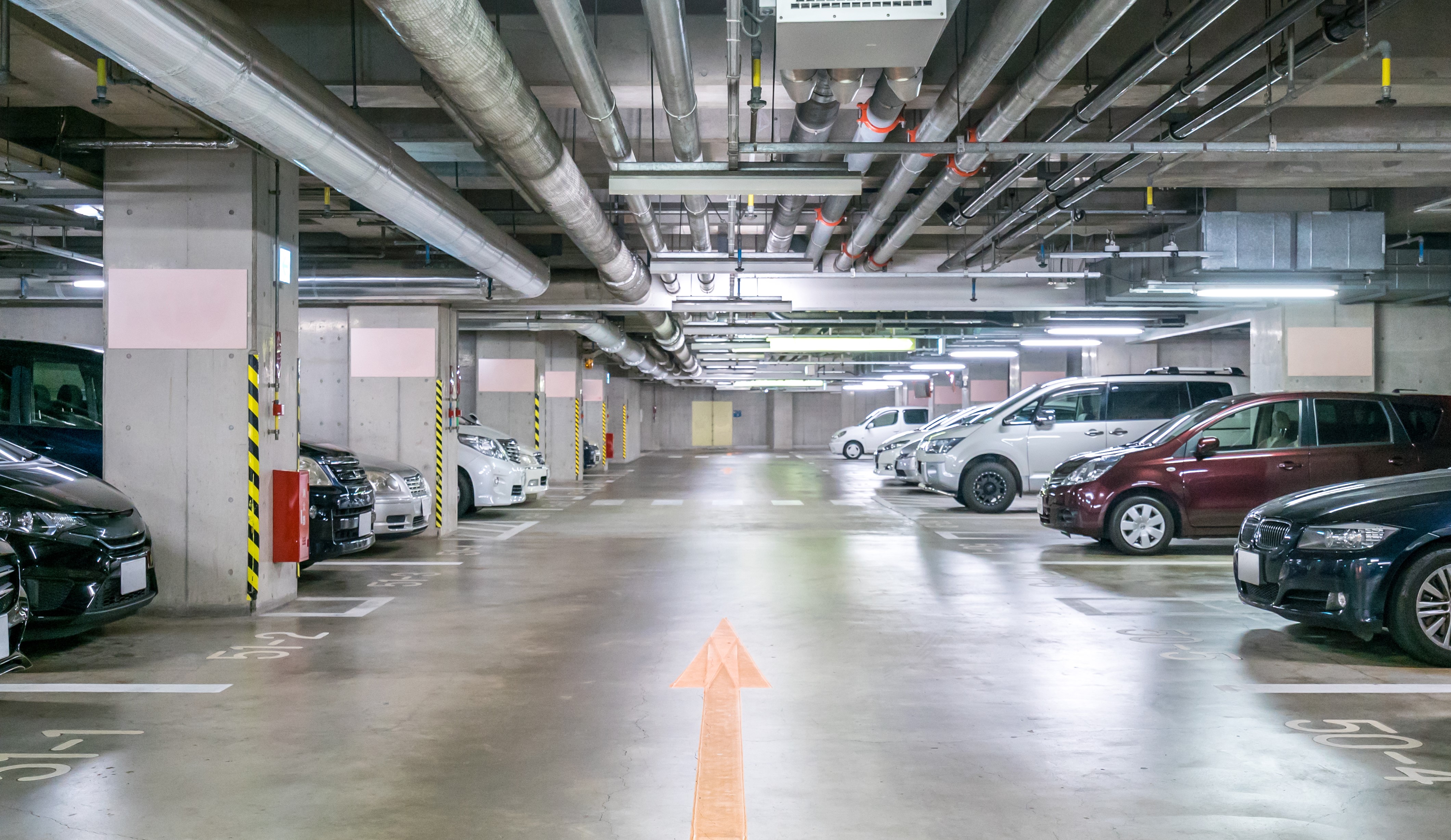
Open RV parking is common on Galveston Island. It’s convenient, accessible, and often the most practical option for larger rigs. But the coastal environment adds challenges that inland RV owners don’t deal with — especially salt air, humidity, and constant moisture exposure. This guide explains how to use open parking safely on the Galveston coast, what to watch for, and how to protect your RV from slow, costly damage.
Why Salt Air Is Hard on RVs in Galveston
Salt doesn’t need standing water to cause damage. On the coast, salt travels through the air, settles on surfaces, and activates with moisture from humidity, dew, or rain. Common problem areas include:
- Undercarriage and frame components
- Brake lines and suspension parts
- Electrical connections and exterior lights
- Slide-out seals and roof edges
Left unmanaged, salt exposure shortens the lifespan of both mechanical and cosmetic components.
How Open Parking Increases Wear — and How to Reduce It
Open parking exposes your RV to:
- Daily humidity cycles that create condensation
- UV rays that dry and crack rubber seals
- Heat expansion that weakens protective coatings
Open parking works best when paired with consistent protection steps, not as a “park and forget” solution.
Prepare Your RV Before Storing in Open Parking
Rinse Salt Off Immediately
Before long-term parking:
- Rinse the undercarriage, wheel wells, hitch, and stabilizers with fresh water
- Focus on seams and metal joints where salt collects
- Don’t delay — salt becomes more aggressive over time
Protect Surfaces That Break Down First
Apply protection to:
- Painted surfaces (wax or protective coating)
- Rubber seals around slides, doors, and storage bays
- Exposed metal areas on frames and mounts
This slows UV damage and corrosion.
Choose the Right Spot in an Open Parking Area
Concrete vs. Grass vs. Gravel
- Concrete: Best optionDrains moisture quickly Prevents sinking and uneven stress Reduces constant moisture contact
- Grass: Highest riskTraps moisture under tires and frame Accelerates rust and tire wear
- Gravel: Better than grass, but less stable than concrete
For coastal conditions, paved concrete parking offers the best long-term protection.
Positioning Matters
- Park on level ground with good drainage
- Avoid low spots where water collects
- Maintain airflow underneath the RV
Good positioning reduces moisture exposure and structural strain.
Covers, Ventilation, and Moisture Control
Use the Right RV Cover
If using a cover:
- Choose breathable, UV-resistant fabric
- Avoid plastic tarps — they trap moisture
- Secure properly to prevent rubbing damage
A poor cover can do more harm than no cover.
Manage Interior Moisture
Inside the RV:
- Use moisture absorbers in cabinets and storage areas
- Leave interior doors slightly open for airflow
- Vent covers allow air circulation without rain exposure
This helps prevent mold and odor buildup.
Protect Tires, Batteries, and Electrical Systems
Tire Care
- Use tire covers to block UV rays
- Maintain proper inflation
- Move the RV occasionally to prevent flat spots
Battery and Power Protection
- Disconnect or remove batteries during long storage
- Protect terminals from corrosion
- Monitor solar systems if equipped
Electrical systems fail faster in salty, humid environments.
Monthly Checks Prevent Costly Repairs
Even in storage, quick check-ins matter:
- Look for early rust or seal cracking
- Replace saturated moisture absorbers
- Check that covers are secure and undamaged
Small issues are easier to fix early.
When Open Parking Isn’t Enough
Open parking works best for short-to-mid-term storage. It may be time to upgrade protection if:
- Corrosion appears despite preventive steps
- Electrical issues become frequent
- The RV will sit unused for extended periods
Many Galveston RV owners combine secure open parking on paved surfaces with climate-controlled storage for sensitive items, striking a balance between access, cost, and protection.
Final Takeaway for Galveston RV Owners
Open RV parking can work on the coast — if you manage salt exposure intentionally. Rinsing, sealing, proper positioning, and routine checks all add years to your RV’s life. For many local owners, choosing secure, paved open storage with good drainage and access — and supplementing it with climate-controlled storage for valuables — offers the best protection against Galveston’s coastal conditions.
Categories