
What Items MUST Go in Climate Storage Near the Coast (and What Can Stay in Drive-Up)
What Items MUST Go in Climate Storage Near the Coast (and What Can Stay in Drive-Up)
Habib Ahsan
March 19th, 2026
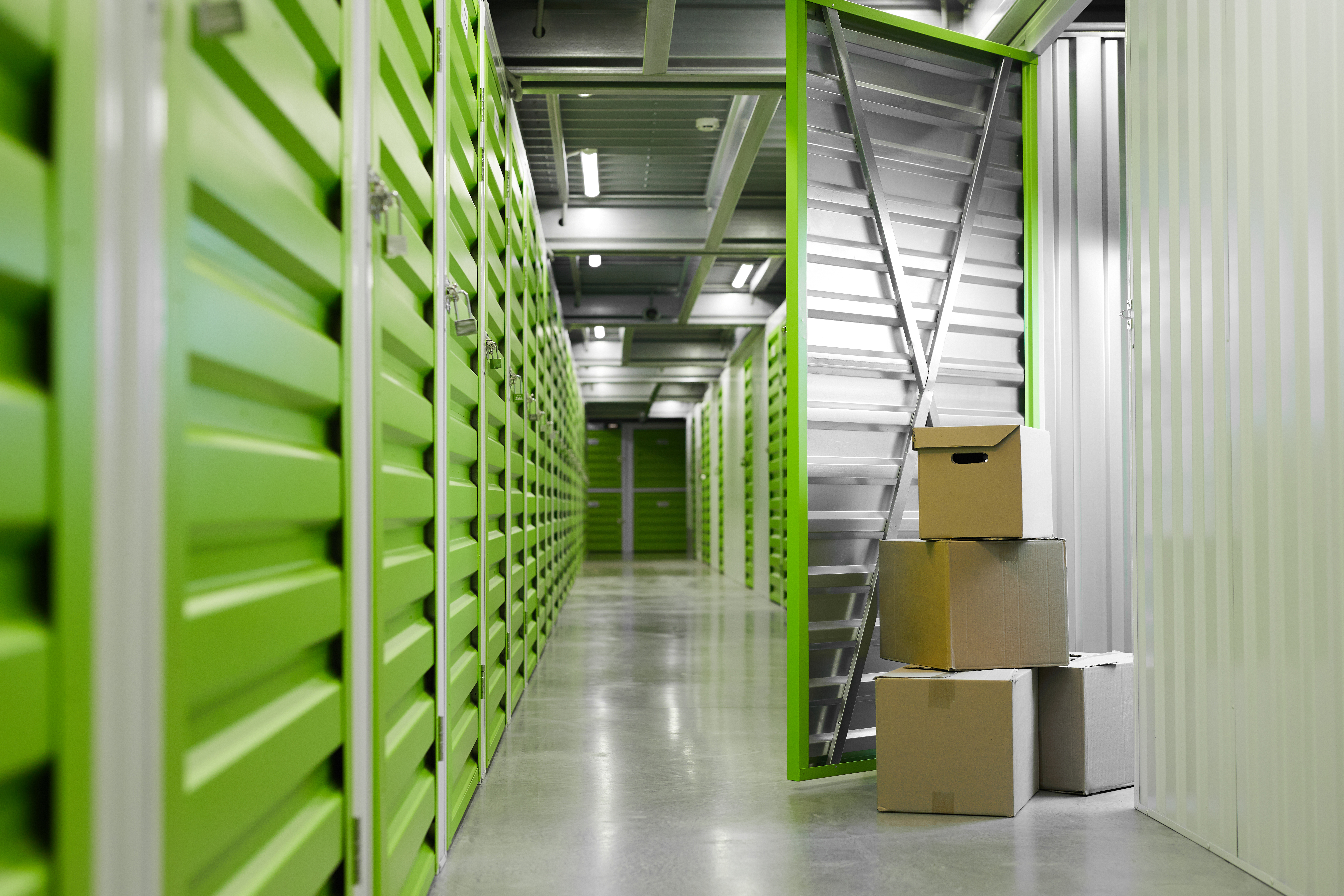
Choosing the right storage type near the coast isn’t just about convenience—it’s about protecting your belongings. In areas like Galveston, humidity and salt air can quietly damage items stored in the wrong environment. The key is knowing what truly needs climate control and what doesn’t. This guide breaks it down simply so you can avoid damage and unnecessary costs.
Why Coastal Storage Is Different
Humidity Is the Main Problem
Coastal air holds moisture almost year-round. This can cause:
- Mold and mildew on fabrics
- Warping in wood furniture
- Musty odors in stored items
- Damage to paper and electronics
These issues often develop within a few weeks.
Salt Air Speeds Up Damage
Salt particles travel through the air—even into storage areas. This leads to:
- Rust on metal items
- Corrosion inside electronics
- Wear on finishes and materials
Salt and moisture together increase damage over time.
Temperature Changes Add to the Risk
Daily temperature shifts can create condensation. This means:
- Moisture forming on surfaces
- Materials expanding and contracting
- Faster breakdown of stored items
What MUST Go in Climate-Controlled Storage
These items are sensitive to moisture and should always be stored in a controlled environment near the coast.
Upholstered Furniture and Mattresses
- Sofas, chairs, and cushions absorb moisture
- Mattresses can develop odors and mold inside
Even if they look dry, moisture builds up over time.
Wood Furniture
- Tables, dressers, and cabinets can warp
- Wood joints loosen with humidity changes
- Veneer surfaces may peel
Climate control keeps wood stable.
Electronics and Appliances
- Internal parts can corrode
- Moisture can damage circuits
- Batteries may fail faster
Items like TVs, computers, and small appliances need protection.
Paper Items and Documents
- Photos can stick together
- Books may curl or discolor
- Important documents can degrade
Paper is one of the most sensitive materials to humidity.
Clothing and Fabrics
- Clothes can develop a musty smell
- Mold can grow on stored textiles
- Rugs and curtains trap moisture
Climate storage helps keep fabrics fresh.
Artwork and Sentimental Items
- Paintings and prints can warp
- Frames may loosen
- Irreplaceable items need stable conditions
These items are best protected in climate-controlled units.
What Can Stay in Drive-Up Storage
Some items are durable and can handle normal storage conditions if packed correctly.
Tools and Equipment
- Hand tools
- Power tools (with basic care)
Applying light oil can help prevent rust.
Outdoor Furniture
- Patio furniture
- Grills
- Garden tools
These items are built for outdoor conditions.
Plastic and Resin Items
- Storage bins
- Shelving units
- Outdoor décor
These materials resist moisture.
Metal Items (With Basic Protection)
- Gym equipment
- Metal racks
Cleaning and light rust protection help maintain condition.
Garage and Household Overflow
- Spare parts
- Bulk supplies
- Durable containers
These items are typically not affected by humidity.
Items That Depend on Storage Conditions
Some items fall in between and depend on time and value.
Short-Term vs Long-Term Storage
- Short-term (under 30–45 days): some items may be fine in drive-up
- Long-term (60+ days): climate storage is safer
Time increases exposure risk.
Value Matters
- High-value items → use climate storage
- Easily replaceable items → may be fine in standard storage
Think about replacement cost.
Mixed Materials
Items made of multiple materials often need climate protection. Example:
- Chairs with wood frames and fabric cushions
These are more vulnerable than single-material items.
Cost vs Risk: Making the Right Choice
When Climate Storage Saves Money
Climate storage helps avoid:
- Furniture replacement
- Mold damage
- Electronics failure
Paying a little more upfront can prevent larger losses.
When Drive-Up Storage Makes Sense
Drive-up units are useful for:
- Durable items
- Frequent access
- Short-term storage
They offer convenience and lower cost.
The Smart Approach: Use Both
Many coastal homeowners use a combination of storage types.
Hybrid Storage Strategy
Store sensitive items in climate units:
- Furniture
- Electronics
- Documents
Store durable items in drive-up units:
- Tools
- Outdoor gear
- Bulk items
Benefits of This Approach
- Reduces overall cost
- Protects important items
- Keeps storage organized
Packing Tips That Make a Difference
For Climate Storage
- Use breathable covers
- Avoid stacking too tightly
- Leave space for airflow
For Drive-Up Storage
- Elevate items off the ground
- Use sealed plastic bins
- Protect metal items from rust
Good packing helps prevent damage.
Common Mistakes to Avoid
- Storing fabric or wood items in non-climate units
- Wrapping items in plastic that traps moisture
- Storing damp beach gear
- Choosing storage based only on price
Small mistakes can lead to costly damage.
Quick Decision Checklist
Use this simple guide:
- Fabric, wood, or paper? → Climate storage
- Valuable or hard to replace? → Climate storage
- Metal, plastic, or outdoor gear? → Drive-up storage
- Storing longer than 2 months? → Climate storage
Final Thoughts
Near the coast, storage decisions matter more. Humidity and salt air can damage items quickly if they’re stored in the wrong environment. Climate-controlled storage protects sensitive belongings, while drive-up storage works well for durable items. The best solution is often a mix of both.
Categories