
West End Boat Owners: Complete Winterization and Parking Prep Checklist
West End Boat Owners: Complete Winterization and Parking Prep Checklist
Habib Ahsan
May 12th, 2026
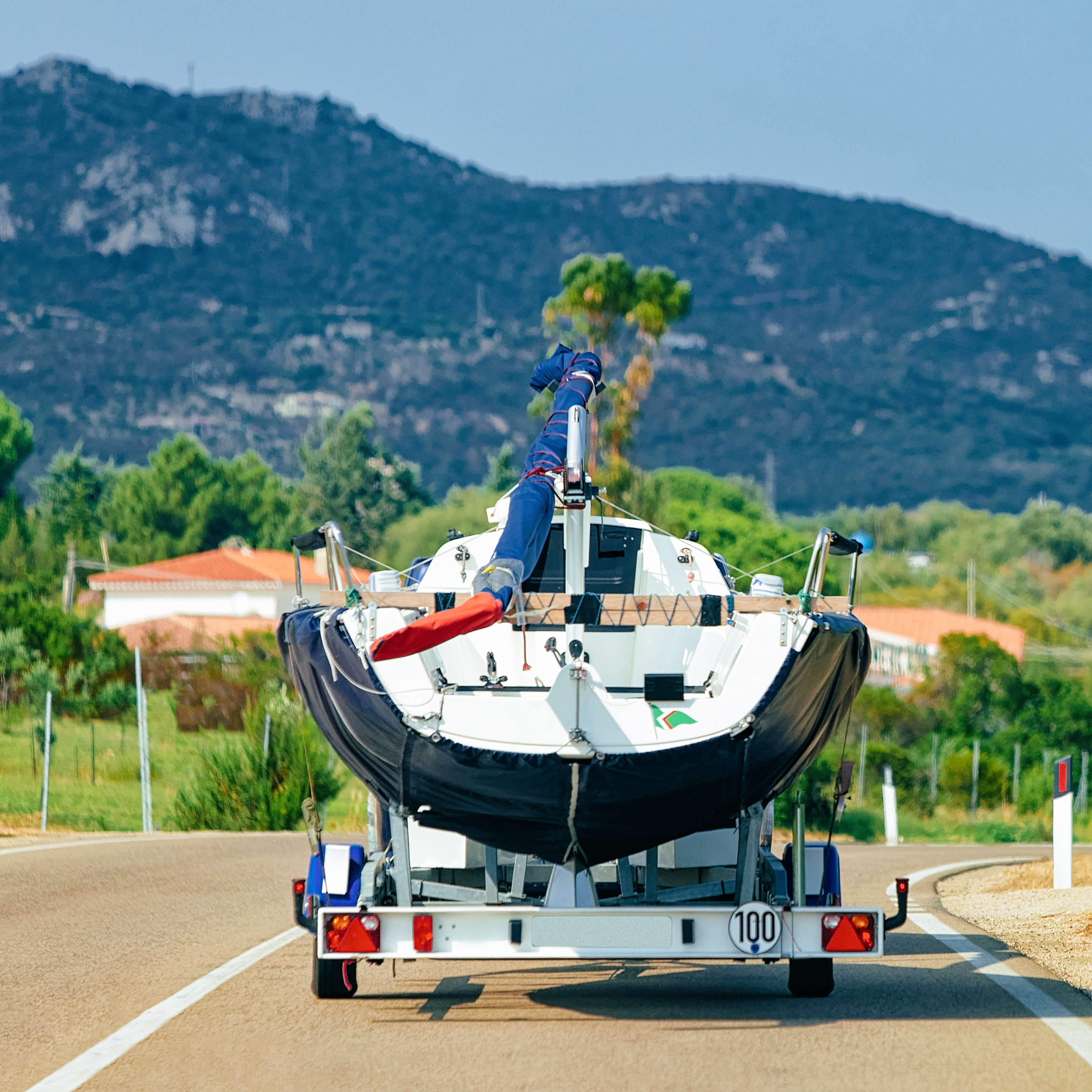
Most boat owners on the West End of Galveston Island get one thing right and one thing wrong when the boating season winds down. They know the boat needs to be stored. What they underestimate is how much the Gulf Coast environment does to an improperly prepared vessel during the months it sits between launches. Boat winterization in West End Galveston is not quite the same process it would be in a colder inland climate, but it matters more than most owners on the island account for. Salt air, humidity, and UV exposure do ongoing damage to boats that are stored without the right preparation — and the cost of skipping steps shows up clearly by the time spring arrives.
Why Galveston’s Off-Season Is Harder on Boats Than You Might Expect
Boat owners who moved to Galveston from colder climates sometimes assume that the mild winters here mean winterization is less important. The opposite is often true. Freezing temperatures — the primary focus of cold-climate winterization — are not the main concern here. The concerns are salt air corrosion, humidity-driven mold and material degradation, and the UV exposure that continues year-round, even when the boat isn’t being used.
A boat left in open outdoor storage without proper preparation on Tiki Island, Jamaica Beach, or anywhere along the West End corridor will absorb months of salt air into every unsealed surface. Wiring corrodes. Upholstery develops mold. Metal hardware oxidizes. Rubber seals and gaskets degrade from UV exposure. None of this is dramatic or sudden — it builds gradually and quietly, and becomes obvious at the worst possible time: right before you want to get back on the water.
The Full Boat Winterization Checklist for West End Galveston
Engine and Fuel System
The engine and fuel system require the most technical attention and are the most costly to neglect. Work through these steps before the boat goes into storage:
- Change the engine oil and filter before storage, not after — used oil contains combustion byproducts and acids that cause internal corrosion if left sitting
- Stabilize the fuel by adding a fuel stabilizer to a full tank and running the engine long enough to circulate it through the system
- Flush the engine with fresh water if it has been used in salt water, then fog the cylinders with fogging oil to protect internal surfaces
- Inspect the impeller and cooling system for wear, and address any issues before storage, so the boat is ready to launch without delay in the spring
- Disconnect and remove the battery, charge it fully, and store it in a cool, dry location away from the vessel
Hull, Exterior, and Trailer
The hull and trailer take the most visible abuse during off-season storage, especially in a salt air environment. A thorough exterior prep prevents the kind of surface damage that requires expensive remediation before the next season:
- Wash the entire hull with fresh water and a marine soap to remove salt, algae, and biological growth before storage
- Inspect the hull for blistering, cracks, or osmotic damage and address any findings before they worsen during storage
- Apply a coat of marine wax to all gelcoat surfaces to provide a protective barrier against UV and salt air exposure
- Inspect the trailer frame, bunks, and rollers for rust, cracking, or wear — address any structural issues before the trailer sits for months
- Check trailer wheel bearings, tire pressure, and lights, and confirm the coupler and safety chains are in good working order
Interior, Electronics, and Safety Gear
The interior and electronics are where Gulf Coast humidity causes the most damage in storage. A few targeted steps protect the systems and materials that are most vulnerable:
- Remove all removable electronics, including fish finders, GPS units, and stereo components, and store them indoors
- Clean and dry all upholstery and fabric thoroughly before covering, as any trapped moisture will create mold conditions over a storage season
- Apply a marine fabric protector to upholstered surfaces, and leave locker doors slightly open to allow air circulation
- Inventory and inspect all safety equipment, including life jackets, fire extinguishers, flares, and navigation lights, and replace any items that are expired or out of compliance
- Remove and store all personal items, electronics, chargers, and anything that could be damaged by heat, humidity, or pests
Choosing the Right Parking Arrangement for the Off-Season
Proper winterization protects the vessel. Proper storage protects the winterization. The two work together, and choosing a storage location that exposes the boat to months of direct UV, salt air, and weather events without any overhead protection can undo a significant portion of the preparation work done beforehand. For boat owners across the West End, Tiki Island, and Bayou Vista, having access to secure outdoor parking close to home means the boat is easy to check on, accessible when needed, and not left unattended in a location that creates additional worry during storm season. Boat and RV parking at a facility built with flood protection in mind adds another layer of security that open waterfront storage simply cannot match.
Bayside Self Storage Galveston was built with 7 feet of added elevation above standard grade — a deliberate design decision to protect stored vehicles and watercraft from the flood and storm surge risk that Gulf Coast boat owners factor into every storage decision. That elevation, combined with the security of a gated, monitored facility, makes a meaningful difference for boats that will sit through hurricane season.
On-Site Amenities That Make Boat Storage More Practical
The right storage facility should make the process of getting a boat in and out of storage genuinely easy, not just theoretically convenient. Bayside offers several on-site features that boat owners use regularly:
- Fresh water supply for rinsing the hull, engine, and trailer after a day on the water, before storage
- Car wash hose for removing salt, sand, and biological debris from the hull and trailer frame
- Air machines for trailer tires, so boats and trailers leave the facility road-ready without an extra stop
- A trailer repair shop for quick on-site maintenance before or after a trip
- Drive-up access so boats and trailers can be maneuvered in and out efficiently without navigating narrow indoor spaces
These features reduce the number of stops and separate errands involved in getting a boat properly cleaned and stored, which matters most at the end of a full day on the water when the goal is to get home.
The Master Checklist: Everything Before the Cover Goes On
Use this as the final reference before the boat goes into storage for the season:
- Engine oil and filter changed
- Fuel stabilizer added and circulated through the system
- Engine flushed with fresh water, and the cylinders were fogged
- Impeller and cooling system inspected
- Battery removed, charged, and stored indoors
- Hull washed, inspected, and waxed
- Trailer frame, bearings, tires, and lights inspected and serviced
- Interior dried, upholstery treated, and lockers left slightly open
- Removable electronics were removed and stored indoors
- Safety gear inventoried and replaced as needed
- All personal items were removed from the vessel
- Boat covered securely with a properly fitted marine cover
Bayside Self Storage Galveston offers secure boat and trailer parking with 7 feet of added flood elevation, on-site fresh water, a car wash hose, trailer repair, and air machines — everything needed to get your boat properly stored and road-ready each season. Reserve a boat parking spot online before the end-of-season rush, or get in touch with the Bayside team to discuss available parking options for your vessel and trailer. We’re open seven days a week and ready to help you get sorted before winter storage season gets busy.
Categories