
The Real Cost of Storing Sensitive Items Wrong Near Galveston Bay
The Real Cost of Storing Sensitive Items Wrong Near Galveston Bay
Habib Ahsan
May 4th, 2026
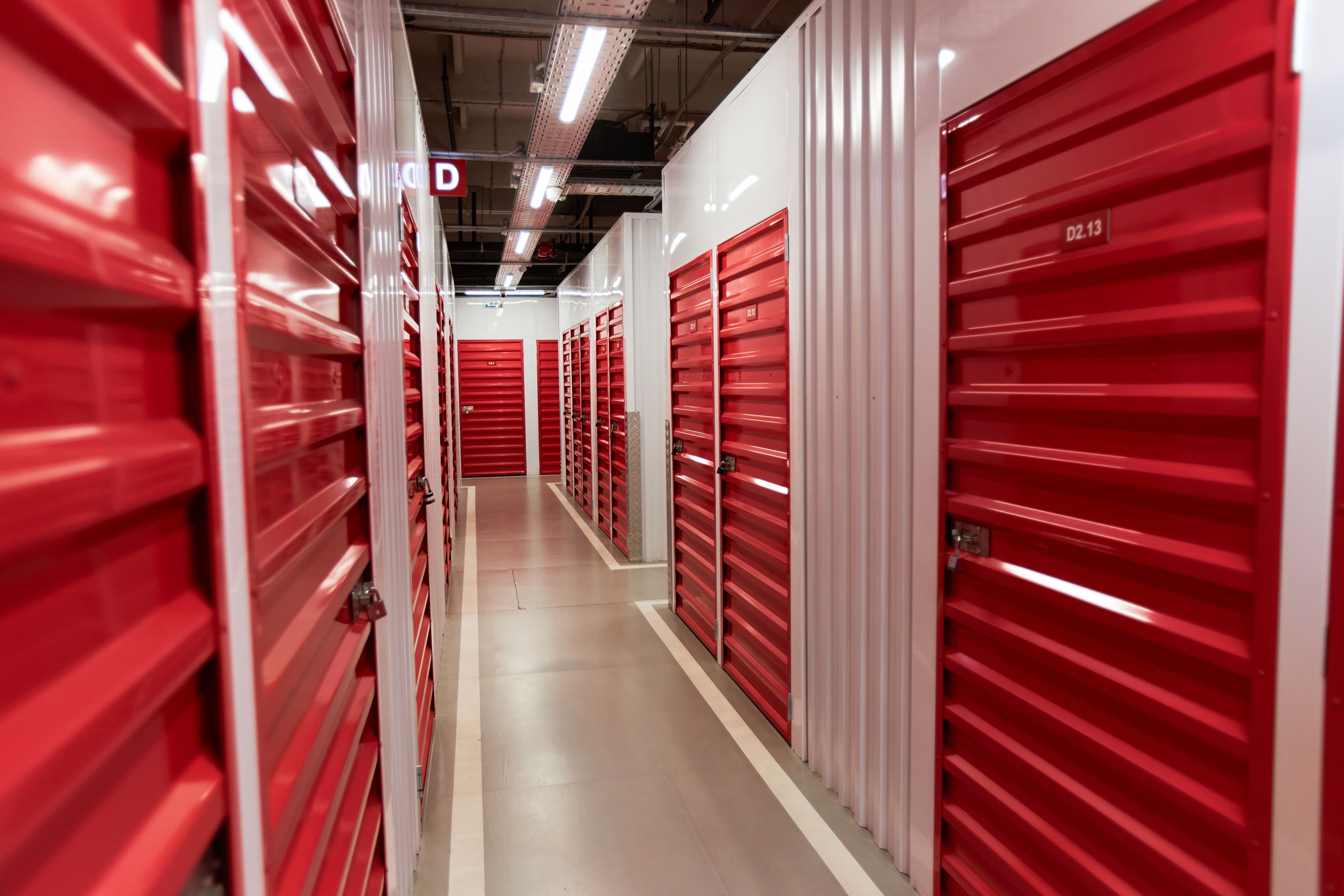
A lot of people who move to the Galveston area store their belongings the same way they would have anywhere else — in a garage, a shed, a spare room, or a standard storage unit — and assume that’s good enough. It usually isn’t. The Gulf Coast climate near Galveston Bay operates differently from most of the places people move from, and that difference has real consequences for anything left in an uncontrolled environment for more than a season. Climate-controlled storage in Galveston exists precisely because the local conditions make it necessary in ways that catch a lot of newcomers off guard.
What Makes the Gulf Coast Climate So Hard on Stored Belongings
Three forces work together near Galveston Bay to damage stored items faster than most people anticipate: heat, humidity, and salt air. Each one is damaging on its own. Together, they create a storage environment that accelerates deterioration significantly compared to inland or drier climates.
The humidity alone is enough to cause problems. Galveston’s relative humidity regularly sits above 80 percent during summer months, and the warm, moist air near the bay creates conditions where mold spores, wood swelling, and metal corrosion all operate on a much faster timeline than most storage guides account for. Add direct summer heat — which routinely pushes unit interiors in unventilated spaces well past 110 degrees — and the combination becomes genuinely destructive for a wide range of common household and recreational items.
The Three Damage Mechanisms That Cost People the Most
Mold and Mildew
Mold is the damage most people think of first, and for good reason. Coastal humidity creates ideal conditions for mold and mildew growth in any enclosed space that lacks proper ventilation and temperature control. Fabric, upholstery, clothing, cardboard boxes, paper documents, leather goods, and wooden furniture are all highly susceptible. Once mold establishes itself in a stored item, remediation is expensive, time-consuming, and often incomplete. Most fabric-based items that develop mold in storage do not fully recover.
The challenge is that mold develops gradually and invisibly. A single humid season is often enough for early growth to take hold, and by the time a tenant notices it during a visit, the damage is already significant.
Warping and Structural Damage
Wood is particularly vulnerable to the moisture cycles that coastal climates produce. Furniture joints loosen as wood expands and contracts with humidity changes. Drawers that fit perfectly in February stick by July. Shelving bows. Tabletops cup or crack. These changes are often permanent because the wood fibers have been structurally altered by repeated expansion and contraction, not just surface-level exposure.
Composite and engineered wood products — the kind used in most flat-pack furniture — are even more susceptible than solid wood. The binding agents that hold the material together break down with sustained humidity exposure, causing delamination and structural failure that cannot be repaired.
Corrosion and Oxidation
Salt air is the coastal storage factor that people from inland areas underestimate most consistently. The sodium chloride particles suspended in Gulf Coast air are corrosive to metal in ways that go well beyond surface rust. Tools, hardware, bicycle frames, appliances, electronics, musical instruments, and vehicle components all show accelerated corrosion when stored in uncontrolled environments near the bay. The damage often appears first in the least visible places — hinges, fasteners, internal electronic components — and is well established before it becomes obvious.
The Items Most Commonly Damaged by Improper Coastal Storage
Not every category of belongings carries the same risk, but the following items are consistently the most affected by Gulf Coast storage conditions when climate control is not part of the equation:
- Wood furniture — dressers, beds, tables, cabinets, and shelving units affected by humidity-driven warping and joint failure
- Electronics — televisions, computers, audio equipment, and gaming systems damaged by heat and internal corrosion from salt air moisture
- Clothing and textiles — fabric items that develop mold, mildew staining, and musty odors that do not wash out
- Documents and photographs — paper goods that yellow, stick together, and support mold growth in humid conditions
- Musical instruments — guitars, keyboards, and brass or woodwind instruments particularly sensitive to both humidity and salt air
- Artwork and collectibles — canvas, paper, and mixed media pieces that deteriorate in unregulated coastal environments
- Leather goods — furniture, bags, and accessories that develop mold and irreversible surface damage in sustained humidity
Many of these items are exactly what people store between moves, during renovations, or when downsizing — which is why the mismatch between standard storage assumptions and Gulf Coast conditions causes so much avoidable loss every year.
How Climate-Controlled Storage Near Galveston Bay Changes the Equation
Climate-controlled storage maintains consistent temperature and humidity levels regardless of what the weather outside is doing. Temperature regulation prevents the extreme heat spikes that accelerate mold growth and damage heat-sensitive materials. Humidity control keeps moisture levels low enough to stop the processes that warp wood, corrode metal, and allow mold to establish itself.
The practical result is that items stored in a properly climate-controlled environment in Galveston come out in essentially the same condition they went in — regardless of how long they’ve been there or what the summer looked like outside. For residents in Jamaica Beach, Hitchcock, Terramar Beach, Pirates Beach, and across the West End storing anything of genuine value, the difference between controlled and uncontrolled storage is not marginal. It is the difference between items that are preserved and items that are damaged.
What Flood Elevation Adds to the Picture
Climate control addresses heat, humidity, and salt air. But near Galveston Bay, there is a fourth factor that standard storage conversations often overlook: flood risk. Storm surge and coastal flooding during hurricane season can inundate ground-level storage facilities in ways that have nothing to do with whether the air inside is controlled. A climate-controlled unit in a flood-prone facility is still a meaningful liability for anyone storing irreplaceable belongings.
Bayside Self Storage Galveston was built with 7 feet of added elevation above standard grade, specifically to protect stored belongings from the storm surge and flooding that Gulf Coast residents know is a genuine annual possibility. Combined with climate-controlled units that manage heat and humidity, that structural decision creates a genuinely comprehensive storage environment for coastal conditions.
Making the Right Storage Decision Before the Damage Happens
The cost of improper coastal storage is rarely obvious at the moment a unit is rented. It shows up months later when a tenant opens the unit to find a warped dresser, molded clothing, or corroded electronics that cannot be salvaged. By that point, the items are gone, and the lesson is learned the hard way.
The alternative is straightforward: choose a storage environment that is actually designed for the conditions it operates in. Near Galveston Bay, that means climate control, proper elevation, and a facility that takes the local environment seriously as part of how it is built and operated.
Bayside Self Storage Galveston offers climate-controlled units built for the Gulf Coast environment, with 7 feet of added flood elevation and month-to-month leases that keep things flexible. Use the storage size guide to find the right unit for your belongings, then reserve a climate-controlled unit online before the next season gets ahead of you. Questions about which unit type is right for your specific items? Reach out to the Bayside team — we’re open seven days a week and happy to walk you through the options.
Categories