
Pirates Beach Residents: Seasonal Storage Mistakes That Damage Furniture & Gear
Pirates Beach Residents: Seasonal Storage Mistakes That Damage Furniture & Gear
Habib Ahsan
April 5th, 2026
Coastal Living Comes with Storage Risks
Living near Pirates Beach means sun, salt air, and coastal weather year-round. While that’s great for lifestyle, it’s tough on outdoor furniture and gear. Salt, humidity, and storms can quickly damage items if they’re not stored correctly. Many residents don’t realize small storage mistakes can lead to mold, rust, and costly replacements. This guide breaks down exactly what to avoid—and what to do instead.
Why Storage Is Different in Pirates Beach
Salt Air Causes Faster Wear
Salt settles on surfaces even when items are indoors or covered. Over time it:
- Corrodes metal frames and screws
- Breaks down paint and protective coatings
- Leaves residue that attracts moisture
Humidity Traps Moisture
Coastal air stays damp, which leads to:
- Mold on cushions and fabric
- Warping in wood furniture
- Musty odors that are hard to remove
Storms Add Extra Risk
Heavy rain and flooding can:
- Damage items stored at ground level
- Soak materials that weren’t sealed properly
- Shift or crush poorly stored items
6 Storage Mistakes That Cause the Most Damage
1. Storing Items Without Cleaning Them
Skipping cleaning is one of the biggest mistakes.
- Dirt and salt hold moisture
- Stains become permanent over time
- Mold grows faster on dirty surfaces
What to do instead:
- Wash furniture before storing
- Remove salt residue with fresh water
- Let everything dry completely
2. Using Non-Protected or Poorly Ventilated Spaces
Not all indoor storage protects your items.
- Closed spaces without airflow trap humidity
- Moisture builds up even without visible leaks
- Fabric and wood absorb damp air
Better approach:
- Choose a clean, well-maintained storage space
- Ensure airflow or climate protection for sensitive items
3. Covering Items the Wrong Way
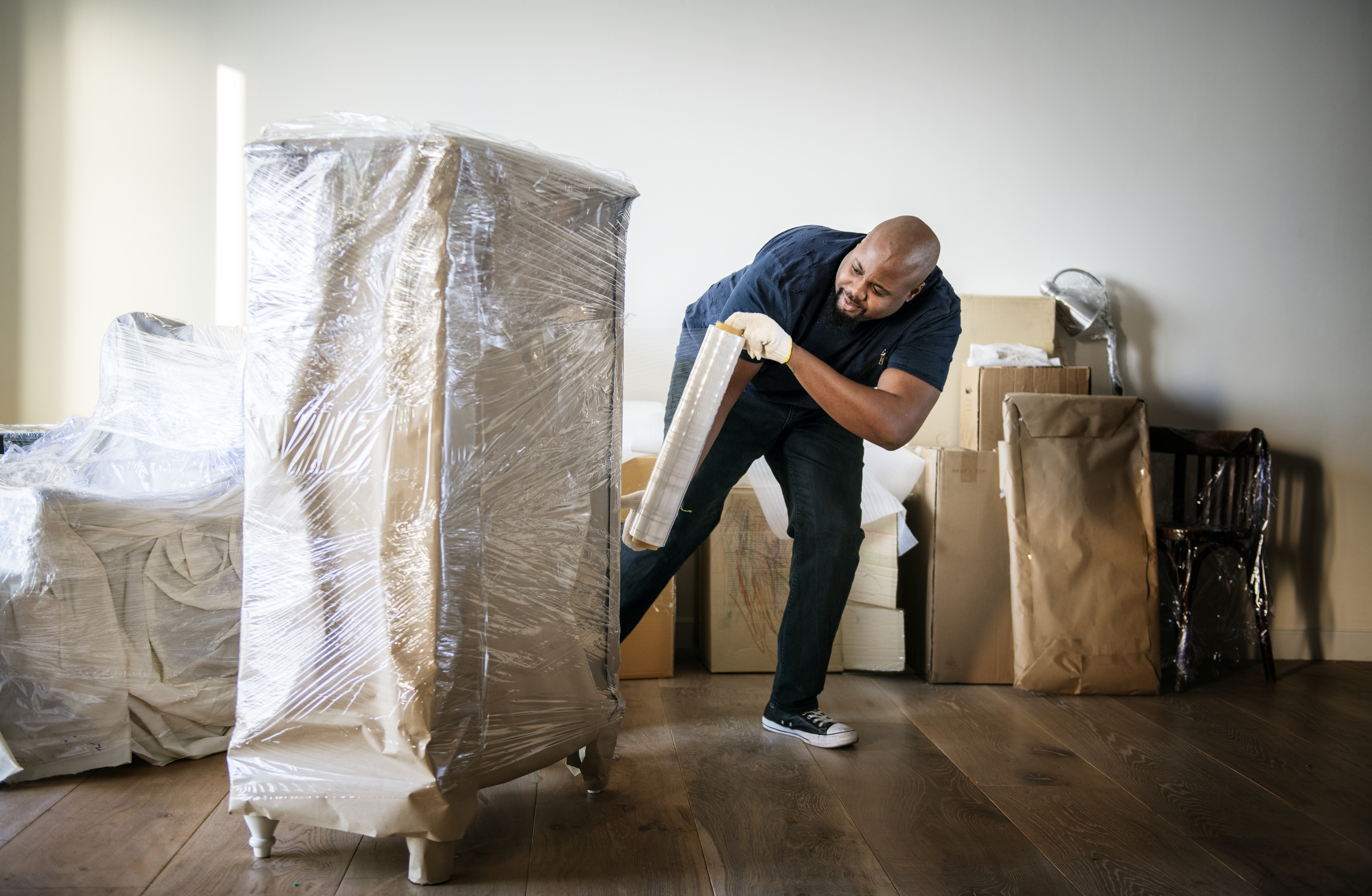
Many people use plastic or cheap tarps. This causes more harm than good.
- Traps condensation underneath
- Leads to hidden mold growth
- Creates uneven moisture exposure
What works better:
- Use breathable covers
- Avoid sealing items tightly in plastic
- Allow airflow around furniture
4. Overcrowding Storage Units
Packing everything tightly might save space, but it increases damage risk.
- Blocks airflow between items
- Traps moisture in hidden areas
- Makes it hard to inspect items
Smart tip:
- Leave small gaps between items
- Keep frequently used items accessible
5. Placing Items Directly on the Floor
This is a common but costly mistake.
- Concrete floors hold moisture
- Minor flooding can reach stored items
- Metal legs and wood bases absorb dampness
Simple fix:
- Use pallets or shelves
- Elevate all furniture and boxes
- Keep items a few inches off the ground
6. Ignoring Material-Specific Needs
Different materials need different care.
- Wood: can crack or warp with moisture
- Metal: rusts quickly with salt exposure
- Fabric: develops mold if not fully dry
Best practice:
- Treat each material properly before storage
- Store sensitive items in controlled environments
Items Most at Risk in Pirates Beach
Some items are more vulnerable than others:
- Outdoor patio sets (especially cushions and wicker)
- Wooden tables and chairs
- Beach gear like umbrellas and folding chairs
- Boat accessories (ropes, covers, life jackets)
- Seasonal décor stored for long periods
These items need extra attention before storage.
Best Practices That Actually Protect Your Items
Clean and Dry Everything First
- Remove dirt, salt, and debris
- Dry completely before storing
- Never store damp cushions or fabrics
Choose the Right Storage Setup
- Use clean, secure storage spaces
- Consider climate-controlled options for sensitive items
- Avoid areas prone to moisture buildup
Elevate and Organize
- Keep items off the floor
- Use shelves or pallets
- Avoid stacking heavy items on delicate ones
Allow Airflow
- Don’t pack items too tightly
- Leave space between furniture
- Avoid sealed plastic wrapping
Seasonal Storage Strategy That Works
Before Storm Season
- Move outdoor items into protected storage early
- Don’t wait until weather warnings
During Off-Season
- Store unused furniture and gear
- Rotate items based on usage
After the Season
- Inspect for damage
- Clean before storing again
- Fix small issues before they get worse
Why Proper Storage Saves You Money
Replacing outdoor furniture in coastal areas is expensive. Poor storage leads to:
- Mold removal costs
- Rust damage
- Shortened lifespan of furniture
Proper storage helps you:
- Avoid frequent replacements
- Keep items usable year after year
- Reduce long-term costs
Quick Checklist for Pirates Beach Residents
- Clean and dry items before storage
- Use breathable covers
- Keep everything off the ground
- Avoid overcrowding
- Check items regularly
Final Thoughts: Protect What You Paid For
Outdoor furniture and gear are investments—especially in a coastal area like Pirates Beach. Avoiding a few common storage mistakes can make a big difference in how long your items last. With the right setup and habits, you can protect your belongings from salt, moisture, and storms year-round.
Categories