
Galveston College Students: Climate Storage During Housing Gaps
Galveston College Students: Climate Storage During Housing Gaps
Habib Ahsan
February 19th, 2026
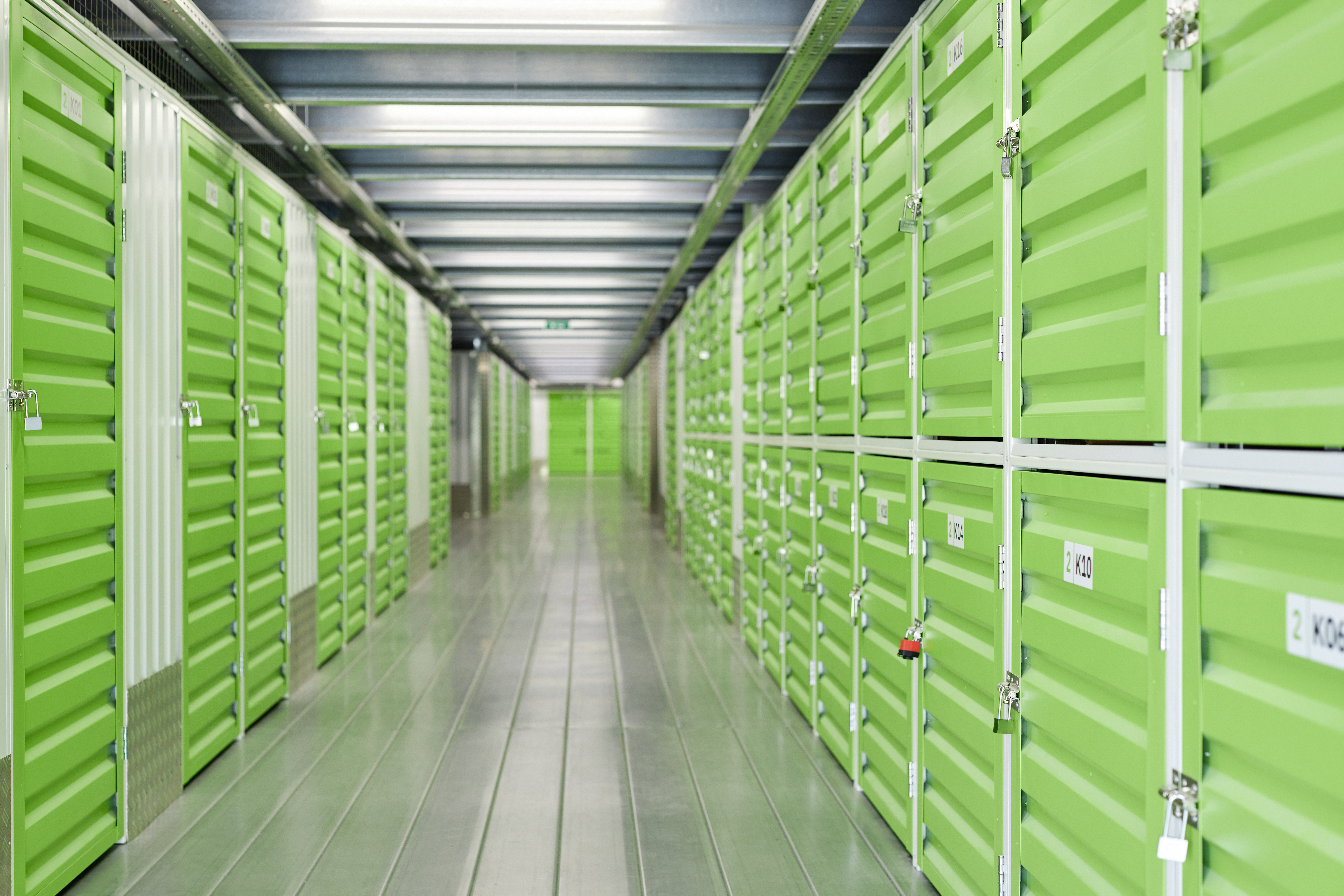
Housing gaps are common for Galveston college students. Leases end before new ones begin. Dorm contracts don’t cover summer. Internships, study abroad, and temporary moves create short periods where you don’t have a place to keep your belongings. In a coastal environment like Galveston, storing items improperly—even for 30–60 days—can lead to mold, odors, or damage. Climate-controlled storage helps protect your belongings during these transitions.
Why Housing Gaps Create Real Storage Risks
Short-term storage may feel temporary, but coastal humidity doesn’t take a break. In Galveston:
- Humidity stays high year-round
- Apartments without active air conditioning trap moisture
- Salt air can affect electronics and metal items
Even one month of exposure can cause mildew on bedding or rust on equipment.
What Students Usually Need to Store
Most students store more than they expect during a gap period.
Dorm and Apartment Furniture
- Mattresses and mattress toppers
- Futons or small couches
- Desk chairs and shelving
Electronics and Study Equipment
- Laptops and monitors
- Printers
- Gaming consoles
- Small appliances
Clothing and Personal Items
- Seasonal wardrobes
- Shoes
- Textbooks and paperwork
Many of these items are sensitive to humidity.
Why Climate-Controlled Storage Makes Financial Sense
Students often work with tight budgets. Replacing damaged items costs more than short-term protection. For example:
- A damaged mattress may need full replacement
- Moldy bedding often can’t be salvaged
- Electronics exposed to moisture can fail unexpectedly
Climate-controlled storage keeps temperature and humidity stable, reducing the risk of mold, odor, and corrosion.
Choosing the Right Unit Size
Most students don’t need large units. Typical storage needs:
- Dorm room contents fit in a small unit
- Shared apartments may require slightly more space
- One-bedroom setups usually fit in a compact climate unit
To avoid overpaying:
- Disassemble furniture
- Stack boxes efficiently
- Share a unit with a roommate if possible
Planning layout before moving saves money.
Packing Properly Prevents Damage
Before Storing
- Wash and completely dry bedding and clothing
- Wipe down electronics
- Remove batteries
- Empty and clean small appliances
Never store damp items.
Inside the Storage Unit
- Keep items off the floor using pallets or shelving
- Leave small gaps between boxes for airflow
- Store mattresses upright
- Use breathable covers instead of plastic wrap
Air circulation helps prevent moisture buildup.
Managing Storage During Summer or Study Abroad
For short summer gaps:
- Create a simple inventory list
- Label boxes clearly
- Store important documents separately
For longer gaps:
- Choose climate-controlled units for 3+ months
- Avoid sealing bins completely airtight
- Avoid overpacking boxes
Good organization makes move-in easier later.
Safety and Location Considerations
When selecting storage, look for:
- Gated access
- Well-lit property
- Convenient access hours
- Proximity to campus
Close, secure storage reduces stress during move-out and move-in days.
Common Student Storage Mistakes
- Choosing non-climate storage for fabric items
- Packing damp clothing
- Waiting until the last week to reserve
- Storing items that aren’t worth keeping
Planning early prevents last-minute problems.
Cost-Saving Tips for Students
- Reserve before peak move-out season
- Split a unit with trusted roommates
- Store only what you truly need
Storage should protect valuable belongings, not become extra clutter.
Final Thoughts for Galveston College Students
Housing gaps are temporary, but damage from humidity can be permanent. Climate-controlled storage provides stable protection during short transitions, helping you focus on classes, internships, or travel instead of worrying about your belongings.
Categories